Marketing Strategies for B2B vs. B2C Businesses: Key Differences and Tips
Written by ITRM
May 26th, 2025
Both B2B and B2C marketing share common principles like understanding your audience and delivering value, but their execution varies significantly.
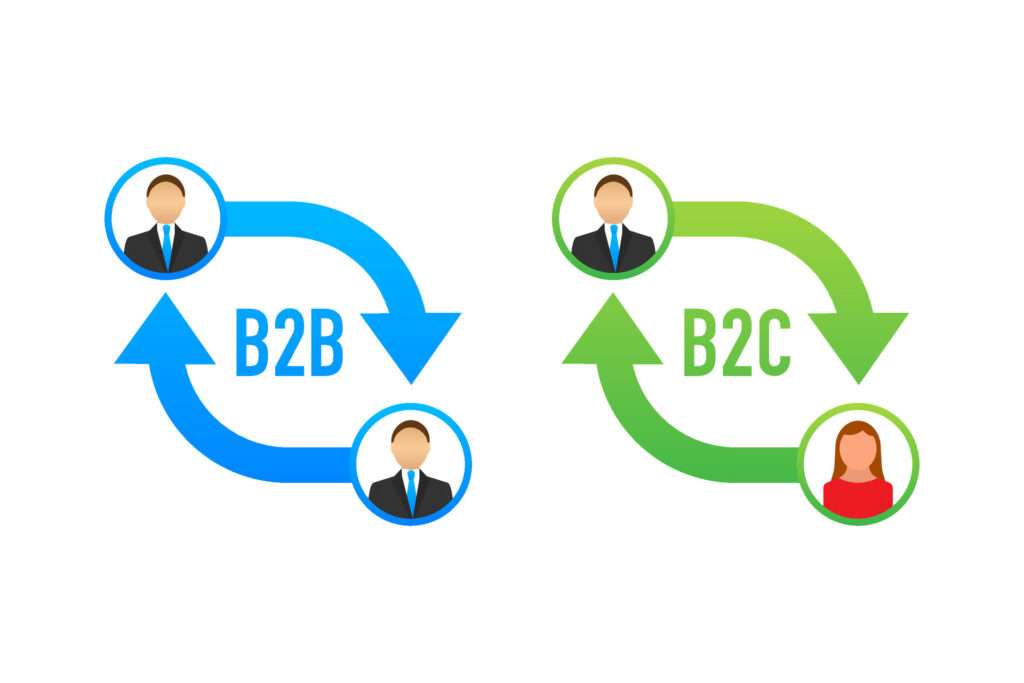
When it comes to marketing, understanding your target audience is essential. Business-to-Business (B2B) and Business-to-Consumer (B2C) marketing have distinct approaches, messaging styles, and channels. Knowing these differences can help you craft effective strategies to reach your ideal customers and drive success.
1. Understanding the Audience
B2B: Your audience comprises other businesses, decision-makers like managers, executives, or procurement teams. Their purchasing decisions often involve logic, ROI analysis, and longer sales cycles.
B2C: The target is individual consumers. Buying decisions tend to be emotion-driven, quicker, and influenced by personal preferences, trends, and immediate needs.
2. Marketing Goals and Messaging
B2B: Focus on building relationships, demonstrating expertise, and showcasing how your product or service can solve business problems. Messaging emphasizes efficiency, ROI, and strategic benefits.
B2C: Aim to evoke emotions, highlight benefits, and create a memorable brand experience. Messaging often appeals to desires, lifestyle, or needs.
3. Marketing Channels
Channel
B2B
B2C
Content Marketing
Whitepapers, case studies, industry blogs
Social media, videos, influencer collaborations
Social Media
LinkedIn, Twitter, industry forums
Facebook, Instagram, TikTok, Snapchat
Advertising
LinkedIn Ads, Google Ads for targeted reach
Facebook Ads, Google Shopping, TV ads
Events & Conferences
Trade shows, webinars, networking events
Festivals, pop-up shops, experiential marketing
4. Sales Cycle and Customer Journey
B2B: Longer sales cycles with multiple touchpoints. Nurturing leads through detailed content and personal relationships is key.
B2C: Shorter cycles, often impulsive. Focus on quick conversions with strong calls-to-action and irresistible offers.
5. Building Trust and Credibility
B2B: Use case studies, client testimonials, and industry certifications to establish trust.
B2C: Leverage reviews, influencer endorsements, and brand storytelling to build credibility.
Final Tips:
Personalization: Tailor your messaging to the audience’s specific needs and pain points.
Content Quality: Provide valuable, relevant content that positions your brand as a trusted authority.
Data-Driven Decisions: Use analytics to refine your marketing strategies continuously.
In summary, while both B2B and B2C marketing share common principles like understanding your audience and delivering value, their execution varies significantly. By aligning your tactics with the unique characteristics of each, you can maximize your marketing efforts and drive better results.